
Farm & Ranch
Your Partner in Texas Farm & Ranch Real Estate
Navigating Texas land requires more than listings—it requires expertise, stewardship, and a true understanding of what makes each property unique. Our team provides trusted guidance from first walkthrough to final signature, ensuring your land investment is both sound and strategic.
For Buyers
Your Guide to Buying Texas Land With Confidence
Buying farm and ranch land requires clarity, local insight, and a strong understanding of how Texas acreage really works. From soil health to water rights and long-term land value, we help you navigate each step with confidence. Our job is to guide you through the complexities so you can focus on finding the property that fits your lifestyle, goals, and future plans.
Expert Land Evaluation & Guidance
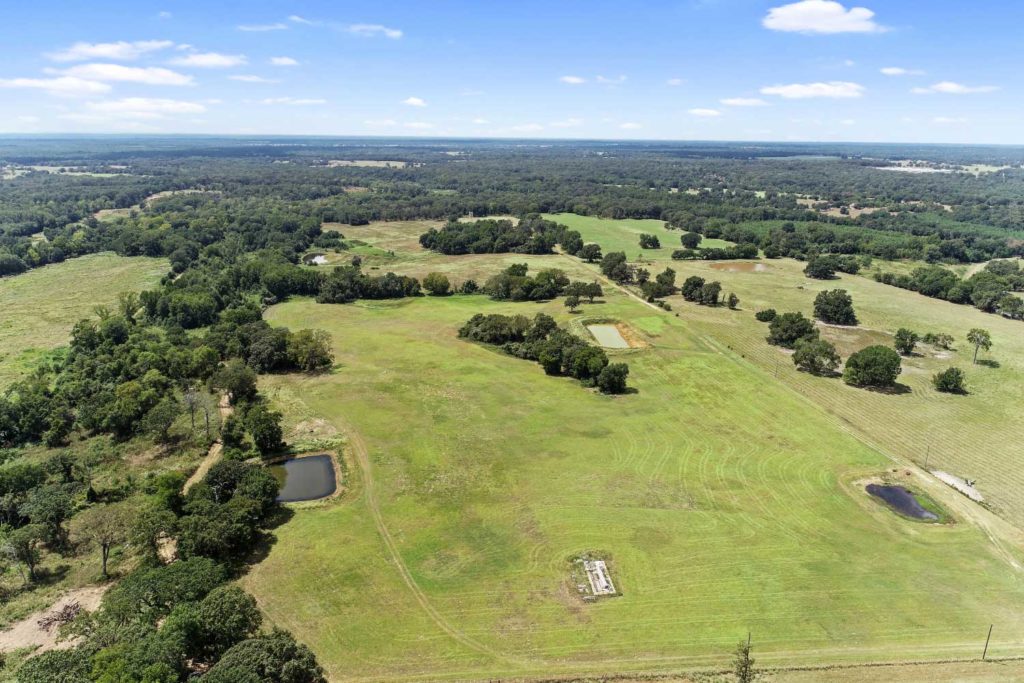
Understanding land is more than knowing acreage—it’s knowing terrain, improvements, utilities, and long-term potential. We help you evaluate properties with a trained eye, ensuring you understand the strengths, limitations, and opportunities each piece of Texas land offers.
Clear Due Diligence & Property Research
We gather and review the details that matter: water access, soil quality, floodplain data, easements, ag exemptions, and more. With thorough research and clear explanations, you’ll know exactly what you’re buying—and what to expect before you invest.
Strategic Support from Search to Closing
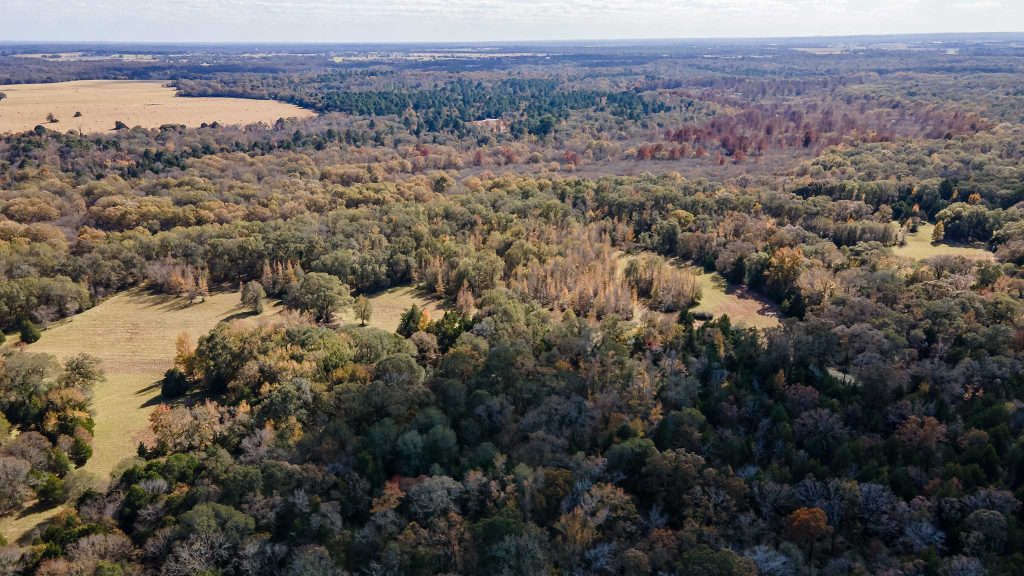
From narrowing down the right regions to negotiating on your behalf, we provide full-service support throughout the entire process. We coordinate showings, connect you with trusted rural property professionals, and help ensure a smooth closing so you can step into ownership with full confidence.
For Sellers
Expert Guidance for
Every Acre
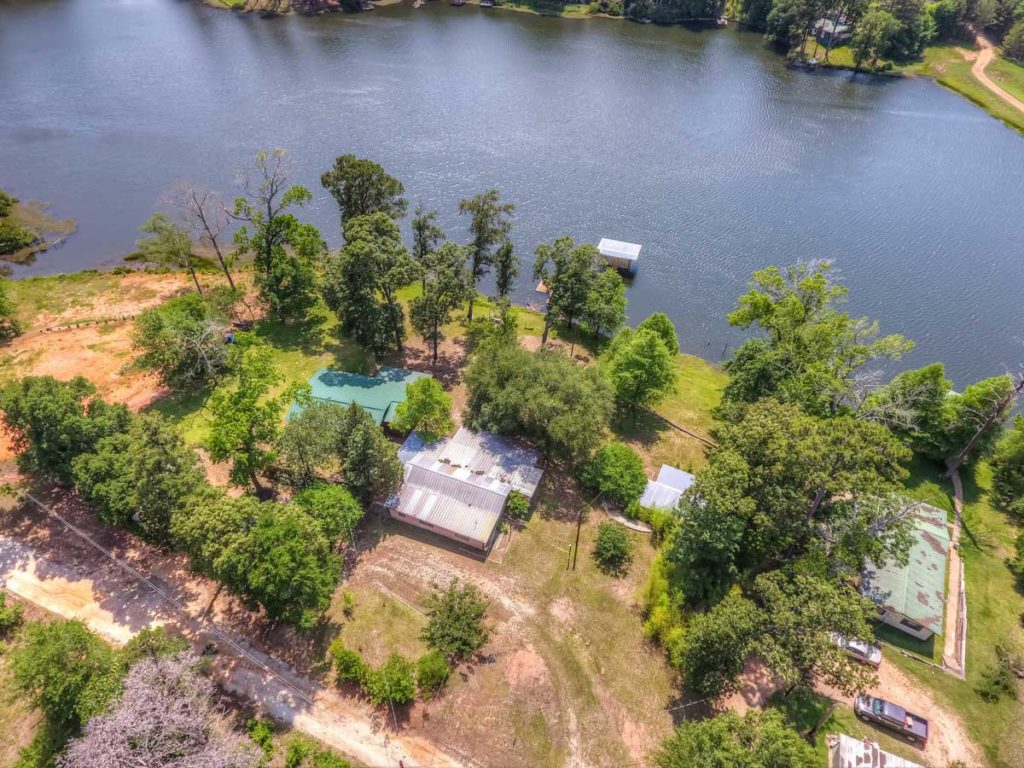
Pre-listing coaching, proper staging, professional photography, and property-specific research are equally important for farm and ranch real estate. On top of that, we often include drone (aerial) photography as well as more in depth research into areas specific to farm and ranch real estate. These include items such as; improvement research and detailed descriptions (structures, dwellings, etc), utility access or availability, fencing conditions and quality, mineral rights inclusions, reservations or issues, surface estate reservations or exclusions, surface water features, timber features, soil conditions, floodplain locations, deed restrictions, road frontage and access, tax exemptions, and easements.
Once listed, we are able to provide comfortable and thorough showings on your property utilizing UTV equipment to make sure any potential buyer is getting a proper tour!
Trail Camera
Wildlife Photography
UTV/AT Showing
Capabilities
“Land ID” Aerial
Mapping Technology
Farm & Ranch FAQs
Your Farm & Ranch Real Estate Questions, Answered
Buying or selling farm and ranch property often involves additional considerations beyond a traditional home purchase. From land use and water access to ag exemptions and improvements, having clear information is essential. This section answers common questions to help you better understand the process and move forward with confidence.
Farm and ranch real estate typically includes properties used for agriculture, livestock, recreation, or rural living. This may include working ranches, farms, recreational land, hunting property, horse property, and large acreage tracts with or without homes and improvements.
Before purchasing farm or ranch land, buyers should evaluate, among other things; access, utilities, water sources, soil quality, topography, zoning, tax exemptions, mineral rights, easements, neighboring land, and intended use. Understanding how the land has been used historically and what it can legally be used for is critical to a successful purchase.
The amount of land needed depends on the intended use. Recreational or homestead properties may require only a few acres, while livestock operations or agricultural production often require significantly more. Stocking rates, grazing capacity, and land management plans play an important role in determining acreage needs.
Farm and ranch properties are valued based on acreage, location, water availability, improvements, soil quality, fencing, access, productivity, and recent comparable sales. Unlike residential homes, income potential, agricultural use, and land features often play a larger role than any existing structures if they exist.
Common water sources include wells, ponds, tanks, creeks, rivers, and water rights. Buyers should confirm water availability, depth, production capacity, and any legal restrictions. Water access is one of the most important factors affecting land usability and long-term value.
An agricultural exemption reduces property taxes for land actively used for qualifying agricultural purposes such as livestock, farming, or wildlife management. Requirements vary by county and often include minimum acreage, intensity standards, and usage history. Ag exemptions do not transfer automatically upon sale.
In most cases, yes, but buyers must confirm zoning, deed restrictions, access, utilities, septic requirements, and floodplain considerations. Some rural properties have limited building areas or restrictions tied to agricultural use or conservation agreements.
Raw land typically lacks infrastructure such as fencing, roads, utilities, or water systems. Improved land includes features like barns, fencing, wells, homes, or working facilities. Improved properties often cost more but may reduce future development expenses.
Yes. Farm and ranch properties often require specialized loans, including agricultural lenders, land loans, or portfolio loans. Down payment requirements are usually higher than residential loans, and loan terms may vary based on acreage, improvements, and land use.
Legal access is essential. Properties accessed via private roads or easements should be reviewed carefully to confirm maintenance responsibilities and long-term rights. Lack of clear access can significantly impact usability, financing, and resale value.
In addition to standard property inspections, buyers may need well tests, water quality tests, septic evaluations, soil studies, boundary surveys, floodplain analysis, and environmental assessments. These inspections help confirm the land is suitable for its intended use.
Mineral rights determine who owns and benefits from subsurface resources such as oil, gas, or minerals. In many Texas transactions, mineral rights may be partially or fully severed from the surface estate. Buyers should review mineral ownership carefully before purchasing.
Yes. Many buyers purchase land for hunting, fishing, horseback riding, or recreational use. Buyers should confirm wildlife management options, hunting regulations, and any lease agreements currently in place that may affect usage.
Farm and ranch transactions often take longer than residential purchases due to surveys, inspections, financing, and due diligence. Closings typically range from 45–90 days depending on complexity and land features.
Farm and ranch transactions involve unique considerations such as water rights, ag exemptions, land use regulations, access, and valuation methods. Working with a specialist helps buyers and sellers navigate these complexities and protect their long-term investment.
Our Farm & Ranch Property Experts